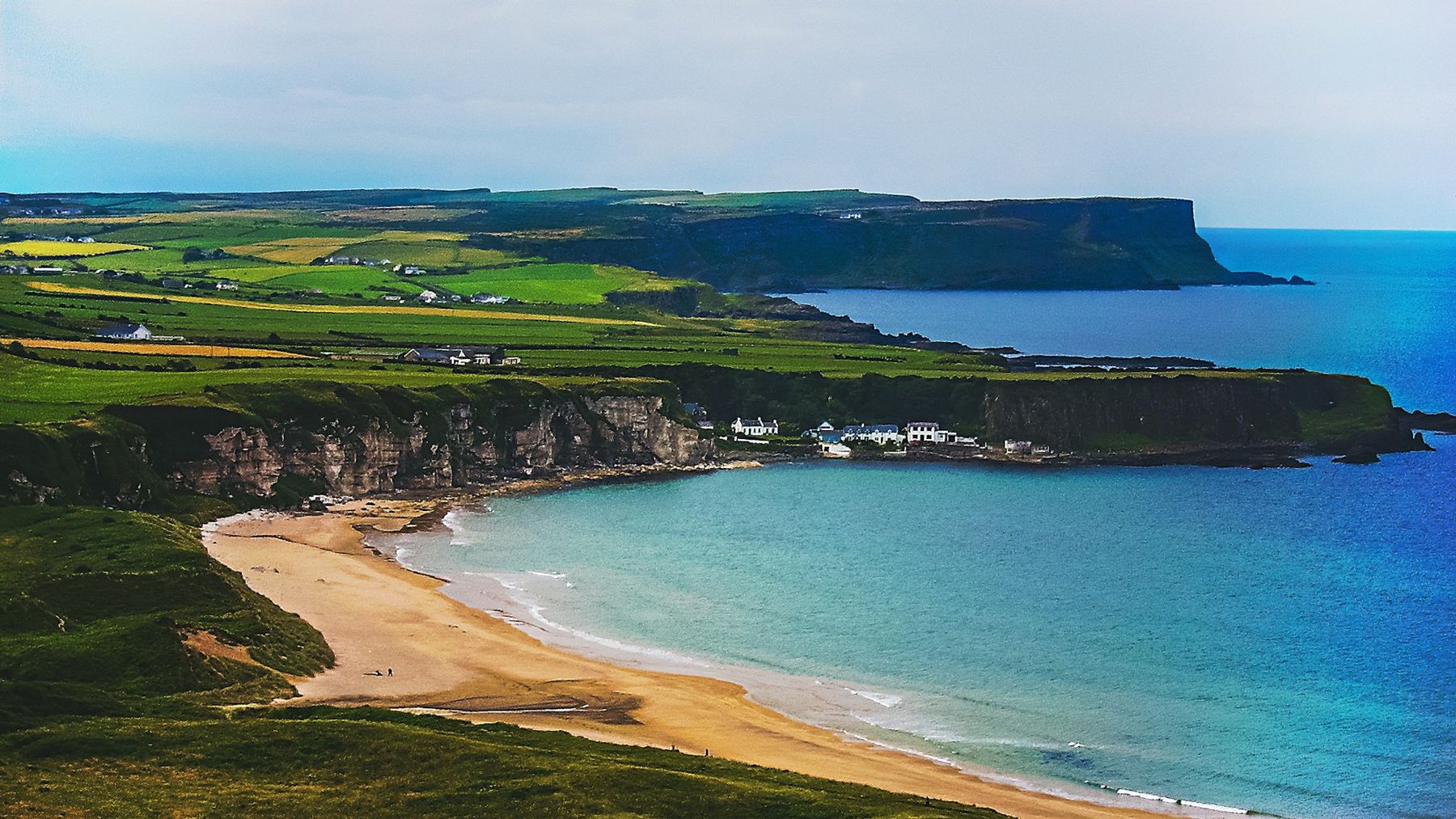
Planning fourteen days in Ireland
A loop from Dublin through the south, up the west coast and across the north fits a fortnight well, if you sleep in fewer places and drive fewer miles than you think.
The shape of the loop
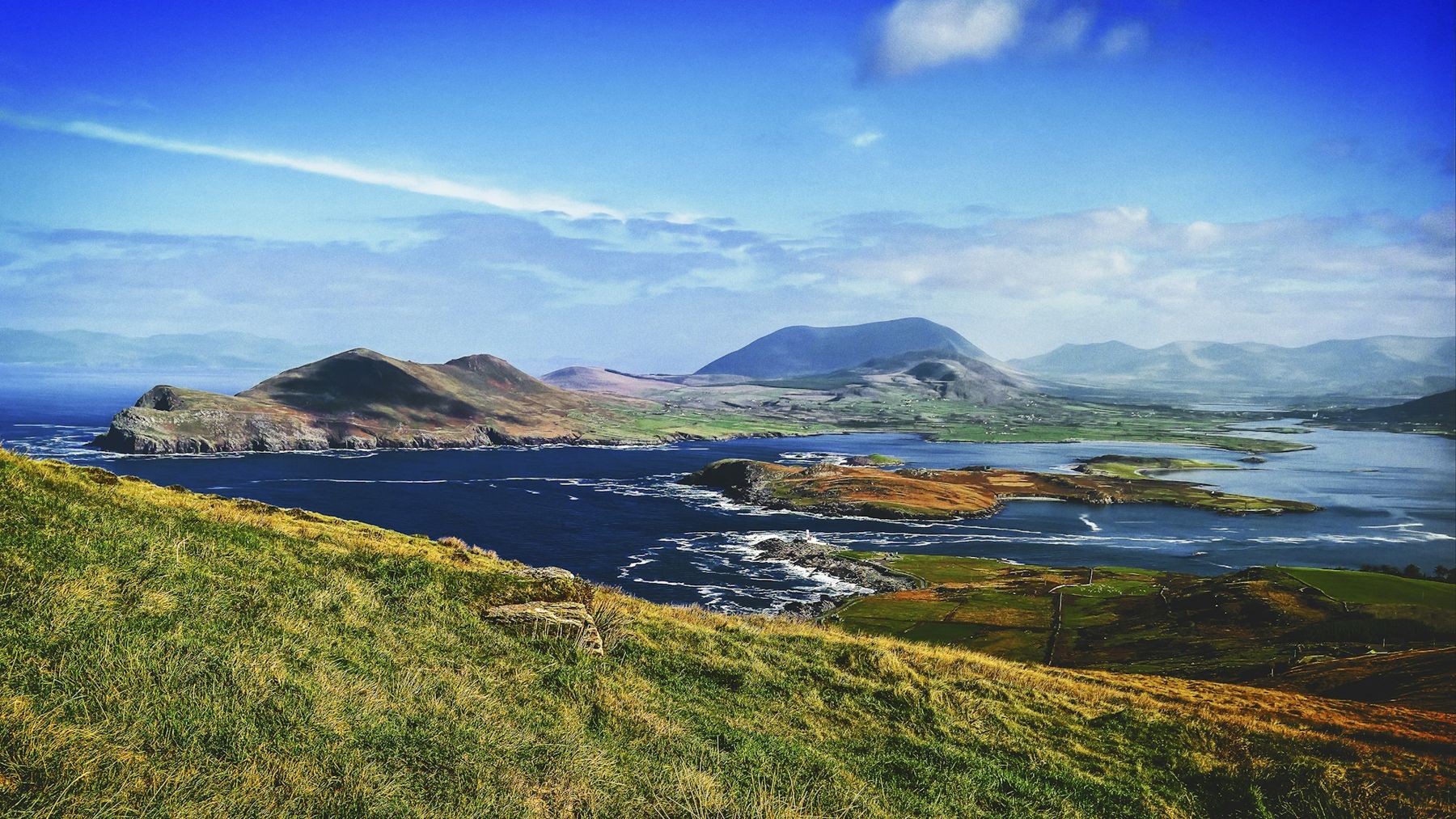
Ireland is small enough to circle in two weeks, but only just. The loop that works best for a first visit runs anticlockwise from Dublin: south through the east and the midlands to Kilkenny and Cashel, west to Kerry and Dingle, north up the Atlantic coast through Clare, Galway and Mayo, into Donegal, east across the north through Derry, the Causeway Coast and Belfast, and back south to Dublin. You can run it the other way just as well; the main thing is to keep moving in one direction rather than doubling back.
The trap is trying to see everything. Every county has something worth stopping for, and the temptation is to change beds every night. Fewer, longer stops are almost always better: two nights in a place gives you one full day without packing, and a chance to see it in the evening and early morning when visitors thin out.
Most long-haul flights land in Dublin, which makes it the natural start and finish. Belfast has two airports with flights from Britain and parts of Europe, and Shannon, in County Clare, has transatlantic routes, so an open-jaw ticket into one and out of another can save a day of driving. Whichever you choose, spend the first nights in a city without a car while you get over the journey, and collect the car on the morning you leave.
Where to spend the nights
Here is one way to divide the fourteen days. It is busy, and many people will want to drop one stop to give themselves a spare day.
| Days | Base | What it covers |
|---|---|---|
| 1-3 | Dublin | The city, its history, a day trip to Newgrange |
| 4 | Kilkenny | Glendalough on the way south, the medieval mile |
| 5-6 | Kenmare | Cashel on the way, the Ring of Kerry |
| 7 | Dingle | Slea Head and the peninsula |
| 8 | Clare | The Shannon ferry, the Cliffs of Moher, the Burren |
| 9-10 | Galway | The city, a day on the Aran Islands |
| 11 | Westport | Connemara on the way, Croagh Patrick |
| 12 | Donegal | Sliabh Liag and Glencolmcille |
| 13 | North coast | Derry's walls, the Giant's Causeway |
| 14 | Belfast | The city, then back to Dublin |
If something has to go, Donegal or Kilkenny are the usual candidates; alternatively, fly home from Belfast and save the drive back. For the start, two or three nights in Dublin give you time to settle in and recover from the flight before you pick up a car.
Seasons and daylight
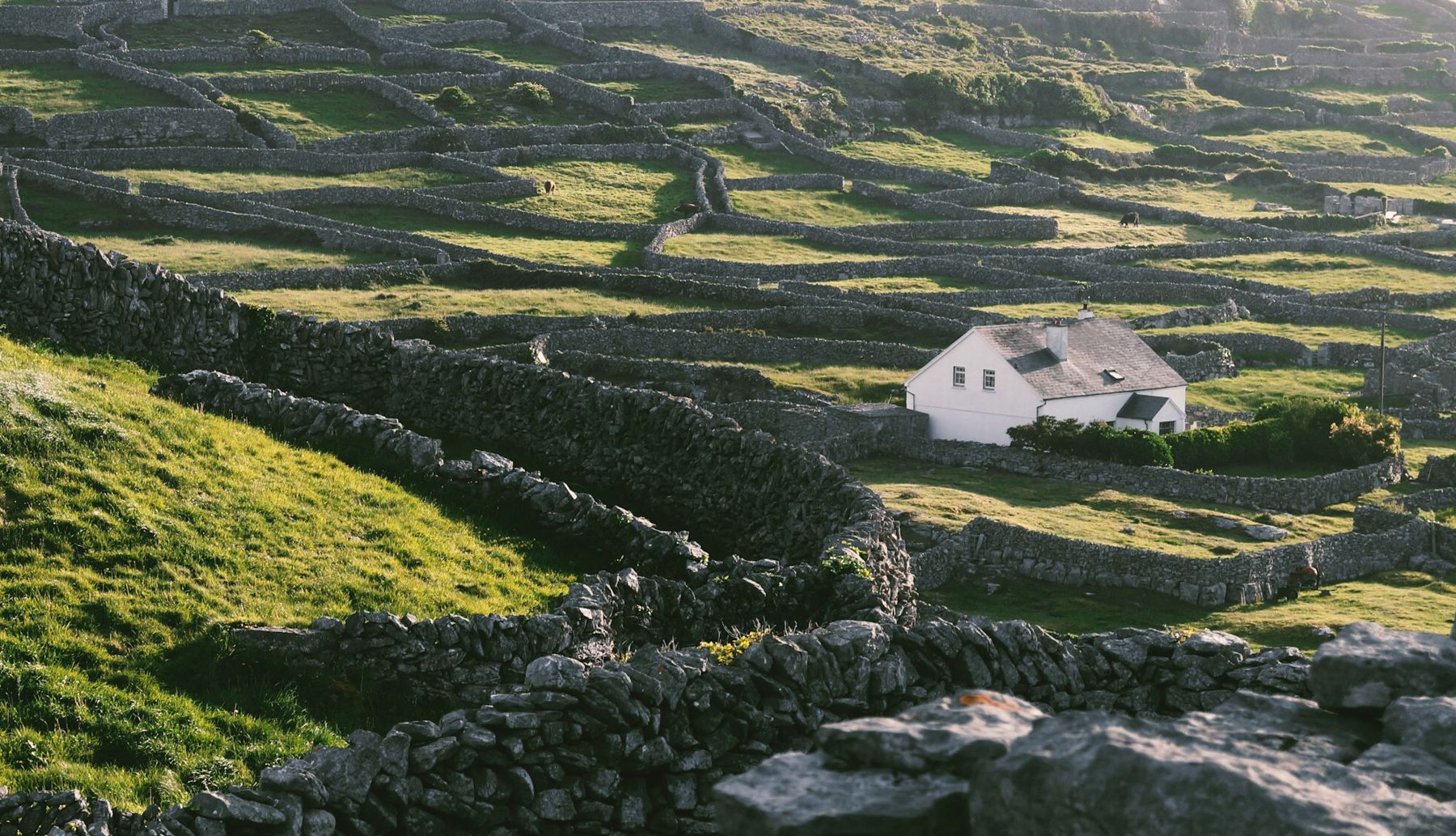
The season you travel in shapes the trip as much as the route. In summer, daylight is long: around midsummer, Dublin gets nearly seventeen hours of daylight, and in the west it is still light after ten in the evening. In late December, days are under eight hours long, and many rural sights, ferries and seasonal services close or cut back their hours.
July and August are the busiest months, with school holidays in Ireland and Britain, festivals and the highest prices. May, June and September are often the best balance: long days, fewer crowds, and the countryside at its greenest. April and October can be lovely too, though shorter days and more changeable weather mean less time on the road.
A detourTrains, buses and driving on the leftWeather, honestly
Irish weather is mild, changeable and frequently wet, especially in the west. It rarely gets very hot or very cold: summer days are usually in the high teens or low twenties Celsius, and winter at sea level is seldom far below freezing. What it does is change, sometimes several times in an afternoon, so a grey morning can turn into a bright afternoon, and the other way round.
The practical answer is to pack layers and a good waterproof, and to keep plans flexible. Have an indoor option for a wet day in each region, a museum, a castle, a long lunch, and save the cliff walks and island crossings for when the weather turns. The west is generally wetter than the east, and wind can matter more than rain on exposed coasts and ferry crossings.
What to book ahead
Ireland is relaxed about most things, but a few need booking well in advance in summer:
- Accommodation in small, popular places such as Dingle, Kenmare, Westport and the Aran Islands.
- Car hire, especially automatics, which run short in peak season.
- Timed tickets for the busiest sights, including the Book of Kells, Kilmainham Gaol, the tours at Newgrange and the Carrick-a-Rede rope bridge.
- Summer ferries to the islands, particularly on weekends.
Visitors who are not British or Irish citizens should also check entry requirements for both the Republic and the UK, since the loop crosses into Northern Ireland.
Cutting or stretching the plan
If you have less than a fortnight, the simplest cut is the north: Donegal, Derry and the Causeway Coast make a fine trip of their own another time. If you have more, add nights rather than places: an extra night on the Aran Islands, in Connemara or on the Causeway Coast will do more for the trip than an extra stop.
However you shape it, leave room for the unplanned. Some of the best moments in Ireland come from a road you did not mean to take, a session you stumbled into, or a long conversation in a village shop. A fortnight is enough time to see a great deal of the island; it is not enough to see all of it, and that is a good reason to come back.