Belfast in two days: shipyards, City Hall and the walls between
A shipbuilding city that has remade its waterfront, Belfast rewards two days: the Titanic Quarter, City Hall, the Ulster Museum, and the murals and peace walls, seen with care.
A city that built ships
Belfast grew quickly in the nineteenth century, on linen, rope, tobacco and above all on ships. By the early twentieth century its shipyard was among the largest in the world, and the city's skyline was defined by gantries and cranes over the River Lagan. It gained city status in 1888, and many of its grandest buildings date from those confident decades.
It is the capital of Northern Ireland, part of the United Kingdom, so prices are in pounds sterling. It is also a city still living with the legacy of the Troubles, the conflict that lasted from the late 1960s to the Good Friday Agreement of 1998. Today it is busy, friendly and easy to explore on foot, and two days give you time for both its industrial past and its more recent history.
The Titanic Quarter
The Titanic was built here, in the shipyard on Queen's Island, between 1909 and 1911, and launched on 31 May 1911. Less than a year later it sank on its maiden voyage. For decades the city was slow to celebrate it. Now the old shipyard land on the east bank of the Lagan has become the Titanic Quarter, with the dramatic Titanic Belfast building at its heart.
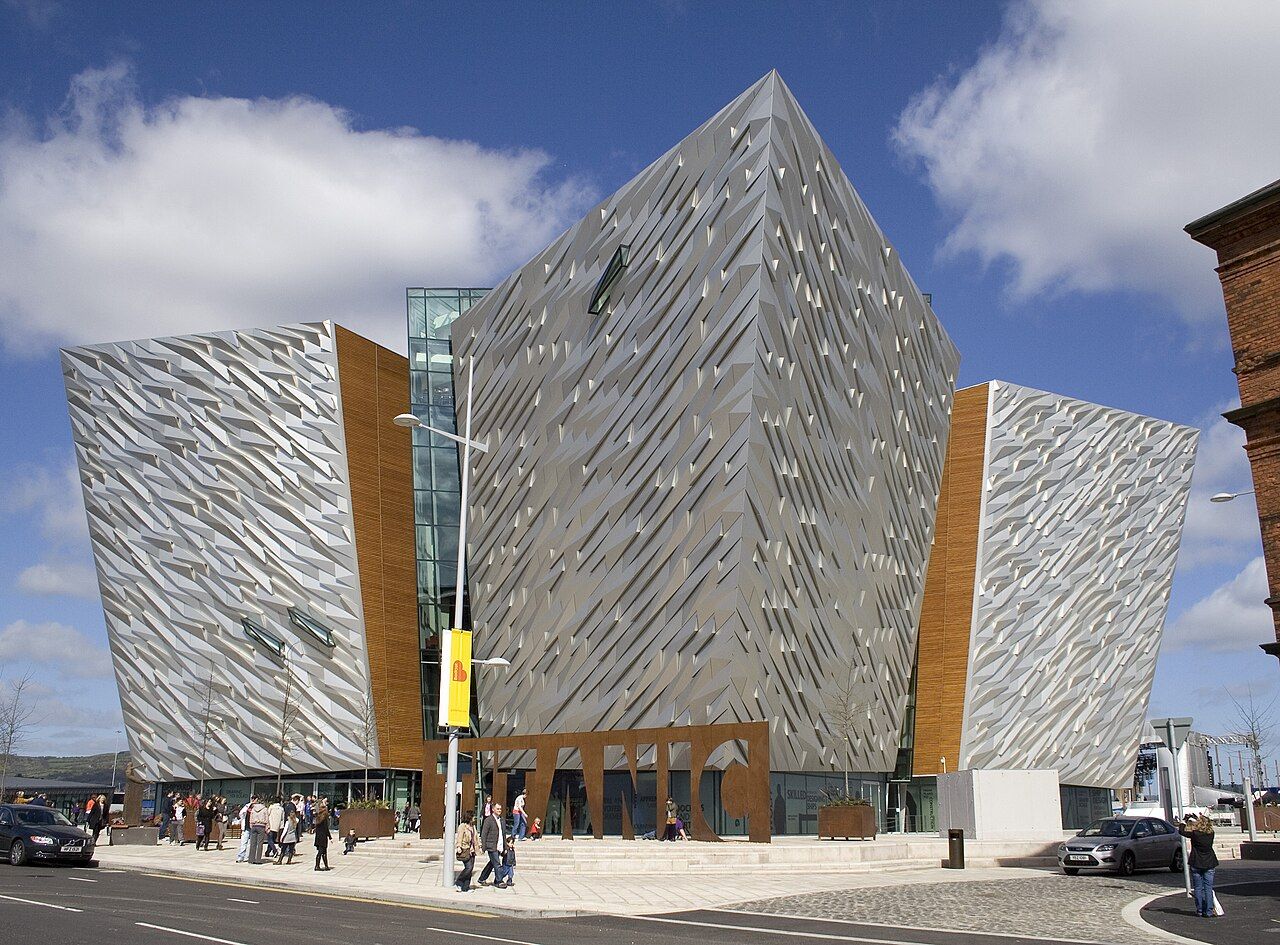
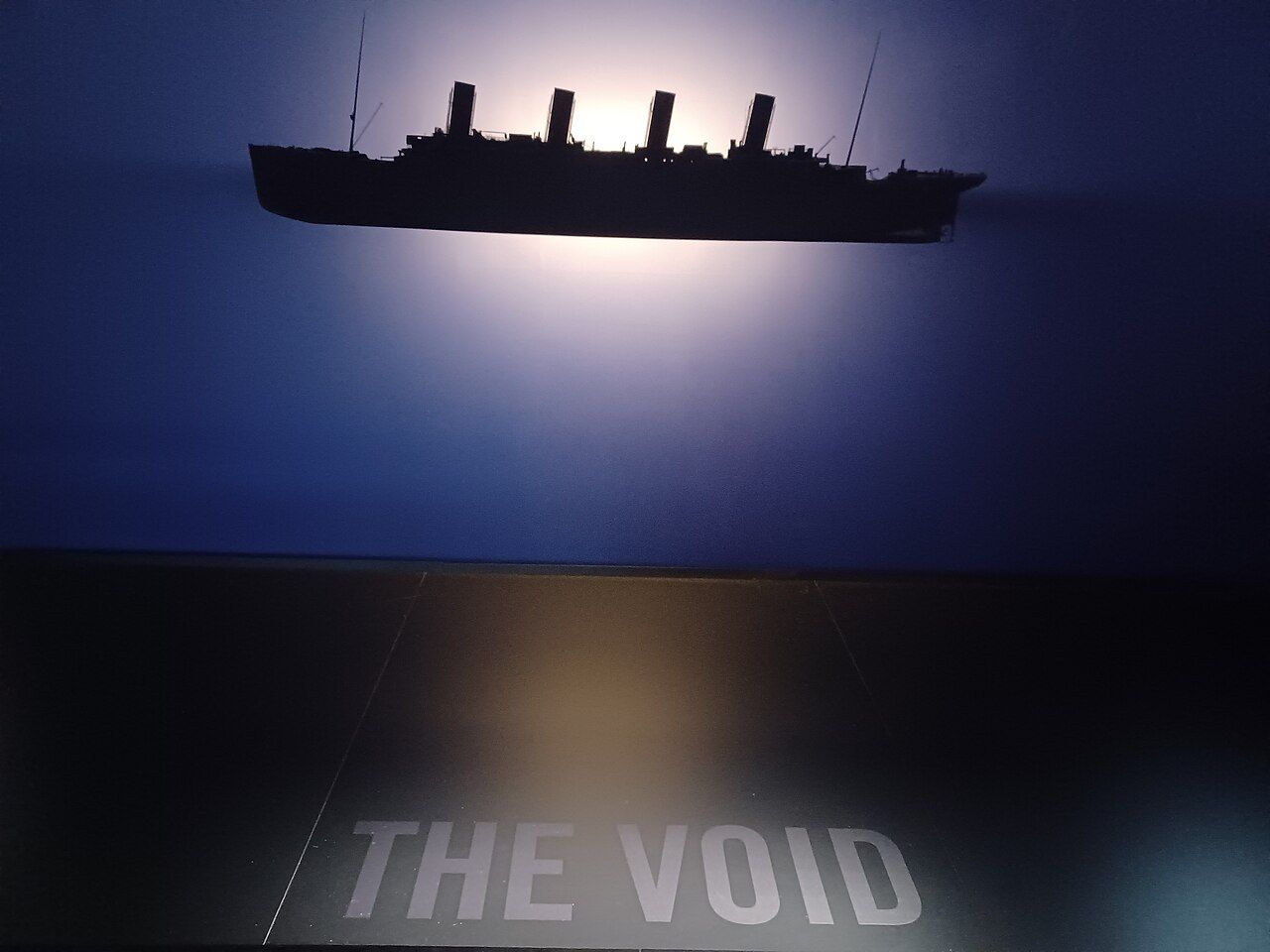
Opened in 2012, Titanic Belfast stands at the head of the slipways where the Titanic and its sister ship the Olympic were built. Its four angular wings, clad in thousands of silver panels, rise to the same height as the ship's hull and are meant to suggest ships' bows and ice. Inside, a series of galleries tells the story of the shipyard and the city as well as the ship itself: the rivets, the workers, the launch, the voyage, the sinking and the long search for the wreck. Allow at least two to three hours. Entry is by timed ticket, and summer slots sell out.
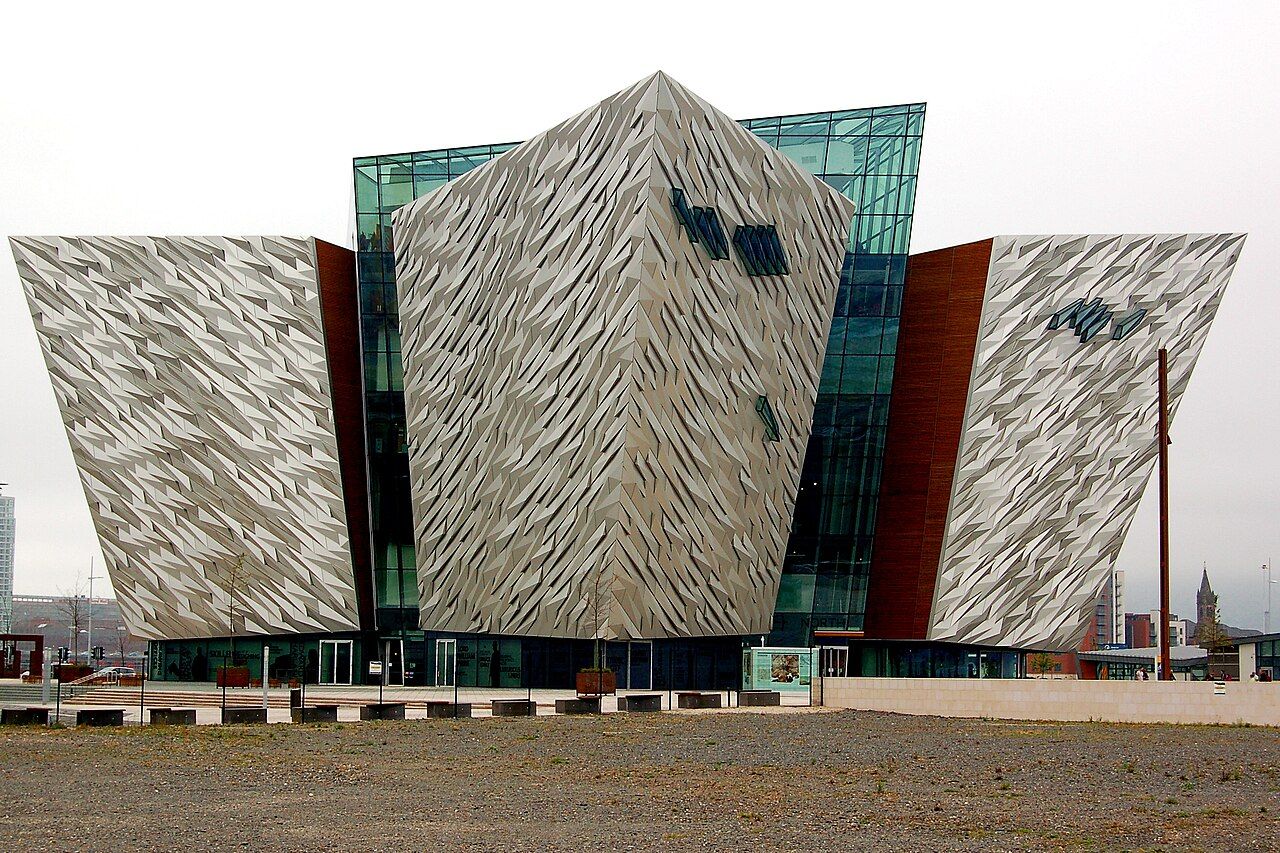

Outside, the outlines of the slipways are marked on the ground, and you can stand where the ships were built. Nearby, the SS Nomadic, a small tender that once ferried passengers out to the Titanic at Cherbourg, has been restored in a dry dock. A little further along, the huge Thompson Dry Dock, where the Titanic was fitted out, can also be visited. The two yellow gantry cranes, Samson and Goliath, still dominate the skyline above the river.

City Hall and the centre
Belfast City Hall, opened in 1906, stands at the heart of the city in Donegall Square, a domed building of white Portland stone that would not look out of place in London. Free guided tours of the interior run on most days, taking in the marble halls, stained glass and council chamber. The grounds hold a Titanic memorial and a memorial garden listing the names of those who died.
North of City Hall, the Cathedral Quarter around St Anne's Cathedral has narrow lanes, restored warehouses and much of the city's nightlife. The cathedral's stainless steel Spire of Hope, added in 2007, pierces its roof and glows at night. On the edge of the centre, the Crumlin Road Gaol, a Victorian prison that closed in 1996, offers guided visits through its cells and the tunnel that linked it to the courthouse across the road.
A detourThe Causeway Coast: basalt, castle ruins and a rope bridgeThe murals and the peace walls
West of the centre, two roads run almost side by side: the Falls Road, mostly nationalist and Catholic, and the Shankill Road, mostly unionist and Protestant. Between them, and elsewhere in the city, stand the peace walls, barriers of concrete, steel and mesh built from 1969 onward to separate communities during the worst of the violence. Some are many metres high, and some gates in them still close at night.
Both communities paint murals on their gable walls. On the Falls, murals commemorate republican dead, the hunger strikes of 1981 and international causes, and a long stretch known as the International Wall changes often. On the Shankill, murals commemorate loyalist dead, the Battle of the Somme, and royal and British history. In recent years many of the most militant images have been replaced with local history, sport and community themes, but some remain.
The peace walls were meant to be temporary, and the fact that they still stand tells you more than any mural.
The peace walls were meant to be temporary, and the fact that they still stand tells you more than any mural. Many visitors see this area with a local driver or walking guide, and the best way to understand it is to hear from both communities; some walks are led jointly by guides from each side. If you go on your own, remember that these are residential streets: be respectful when photographing homes, do not climb on walls, and avoid wearing football shirts or other symbols that might be read as taking a side. Visitors often write messages on the peace wall along Cupar Way; it is a personal choice, and many people simply read what others have written.
South Belfast: the Ulster Museum and Botanic Gardens
South of the centre, around Queen's University, the city feels greener and quieter. The Ulster Museum, in the Botanic Gardens, has collections of art, history and natural science under one roof, from Irish painting and an Egyptian mummy to treasure from a Spanish Armada ship wrecked off the Antrim coast. Its gallery on the Troubles gives a careful introduction to the conflict. General admission has long been free.
Next door, the Botanic Gardens hold the Palm House, a curved glass and iron conservatory from the mid-nineteenth century, and the Tropical Ravine, a sunken Victorian fernery. The red-brick Lanyon Building of Queen's University, with its tower, faces the gardens and makes a fine end to a walk.
Two days, put together
On the first day, start at City Hall, walk through the centre and the Cathedral Quarter, and spend the afternoon in the Titanic Quarter. On the second, see the murals and peace walls in the morning, then head south to the Ulster Museum and the Botanic Gardens. In the evening, the city's music, food and pubs are easy to find in the centre and the Cathedral Quarter.
- If you have a car, leave it parked; the centre is compact, and buses and taxis reach everywhere else.
- For a view over the city and the lough, Cave Hill to the north has walking paths and a castle in its grounds.
- Trains to Dublin take about two hours, and the Causeway Coast is a little over an hour north by road.
Belfast makes a natural last stop on the loop before returning south to Dublin. If you are coming from the north coast, the Causeway Coast route through the Glens of Antrim is the scenic way in, and trains and buses make the journey back simple without a car.