Kilkenny, the medieval mile
A small city with a big past: a Norman castle at one end, a cathedral and round tower at the other, and a mile of lanes, slips and merchants' houses between them.
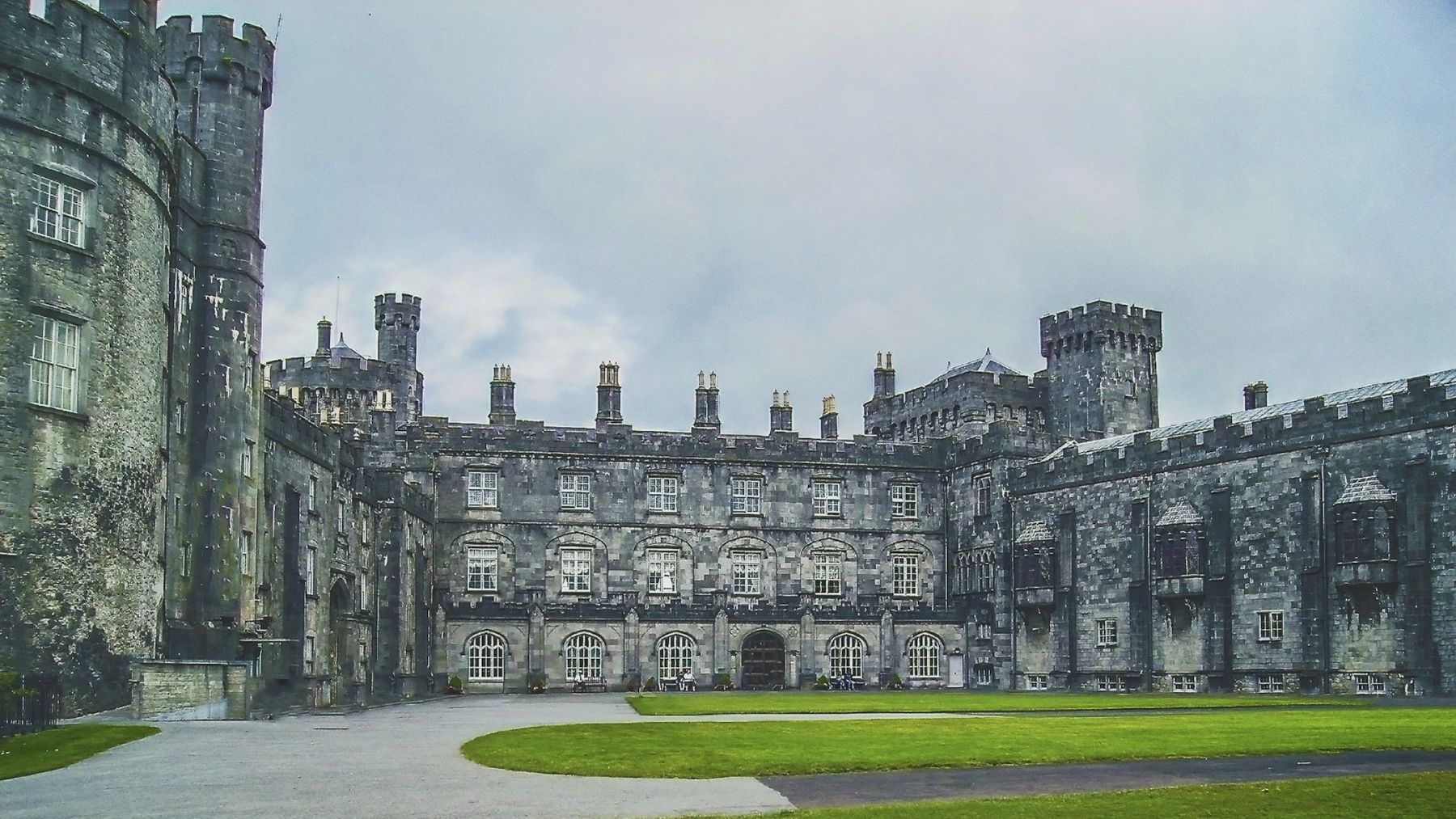
Kilkenny takes its name from Cill Chainnigh, the church of Canice, a sixth-century monk who founded a monastery on the hill at its northern end. The Normans arrived at the end of the twelfth century, built a castle at the other end of town, and between the two grew a walled medieval city that for a few years in the 1640s served as the capital of Confederate Ireland. Today it is one of the smallest cities in Ireland and among the best preserved, with a street plan you can walk in a morning and enough in it to fill a full day on the way south.
Kilkenny Castle
The castle stands on a rise above the River Nore. The first stone castle was built by William Marshal, the Norman lord, in the years around 1200, with a tower at each corner. In 1391 it was bought by the Butlers, later Earls and Dukes of Ormonde, and they lived in it for almost six hundred years, reshaping it with each change in taste. In 1967 the family handed it to the people of Kilkenny for a nominal sum, and the state has since restored it.
Three of the original four towers survive, and the open side of the courtyard, where the fourth wing stood, faces the park. Inside, the rooms are furnished as they were in the nineteenth century, and the Long Gallery, with its painted timber roof and walls hung with Butler portraits, is the highlight. The fifty acres of parkland, with a rose garden and woodland paths down to the river, are free to walk. Opening times and ticket prices for the house change through the year.
The Medieval Mile
The route from the castle to St Canice's Cathedral is marked as the Medieval Mile, and it follows the old main streets: the Parade, High Street and Parliament Street. Look for these on the way:
- The Tholsel, the old town hall of 1761, with an arcade over the pavement and a clock tower.
- St Mary's, a medieval parish church now home to the Medieval Mile Museum, with tombs of the merchant families who ran the town.
- Rothe House, a merchant's house of the 1590s with three buildings round courtyards and a restored garden behind.
- The slips, narrow stepped lanes that drop from the main street toward the river, the best known being the Butter Slip.
- Black Abbey, a Dominican church founded in 1225, still in use, with a great stained-glass window.
Shopfronts along the way are among the best painted traditional ones in Ireland, and the walk takes twenty minutes if you do not stop, which you will.
A detourTrains, buses and driving on the leftSt Canice's Cathedral and the round tower
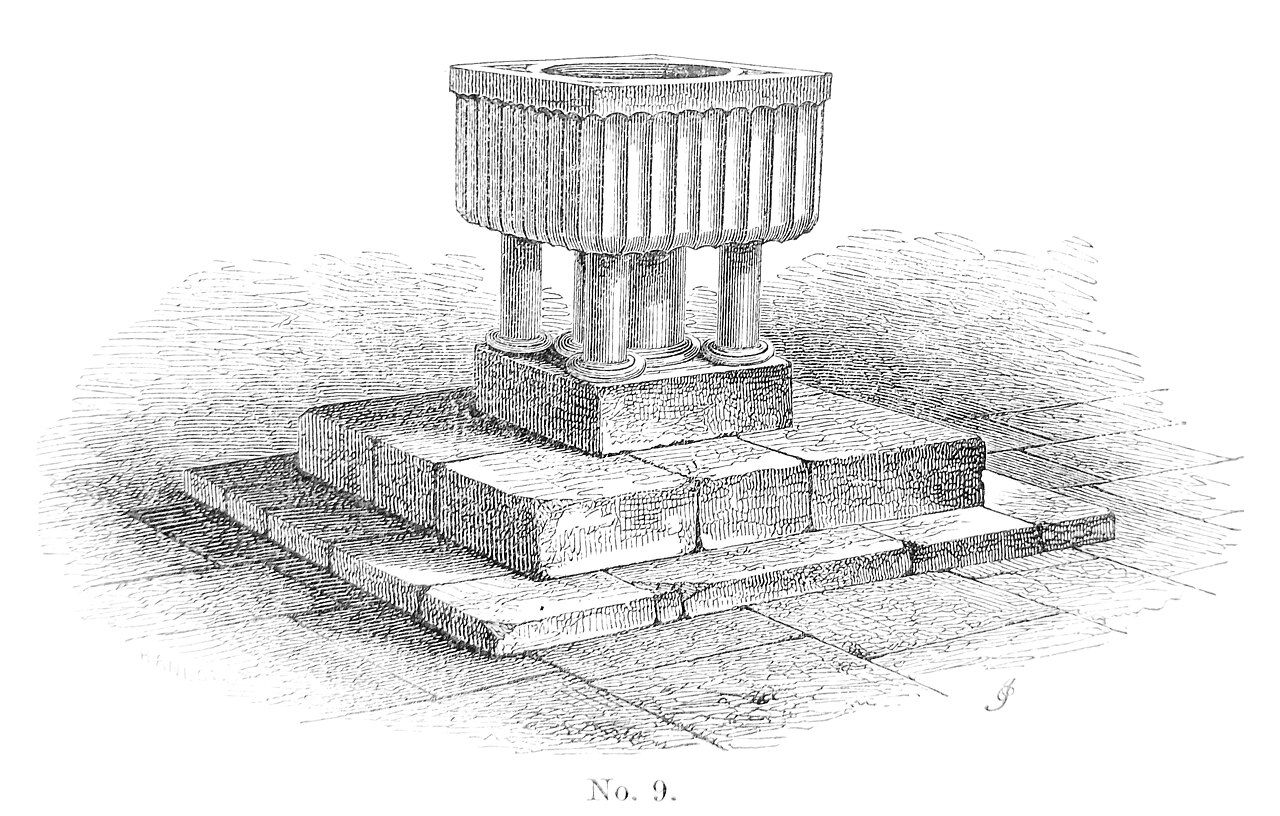
At the top of the Mile, up a flight of steps from the street, St Canice's is the second-longest medieval cathedral in Ireland. It was built in the thirteenth century in the Gothic style on the site of Canice's church, and it is still a working Church of Ireland cathedral. Inside, the nave is broad and light, lined with the tomb effigies of Kilkenny's bishops and nobles. A black marble chair by the north transept is called St Kieran's Chair, and the baptismal font is older than the building itself.

Beside the cathedral stands the round tower, which belongs to the older monastery and was probably built in the ninth century. It is one of only two medieval round towers in Ireland that visitors can climb. You go up a series of steep internal ladders, about thirty metres in all, and come out on a small platform with a view over the slate roofs to the castle. Entry is limited to small numbers at a time, there are age limits for children, and the climb is closed in high wind or rain.
Witches, confederates and hurlers
Kilkenny's history has a dark chapter of its own. In 1324, Dame Alice Kyteler, a wealthy woman married four times, was accused of witchcraft by the bishop, Richard Ledrede. She fled to England; her maid, Petronella de Meath, was burned in the town, in one of the earliest witch trials in Ireland or Britain. Three centuries later, in 1642, the Confederation of Kilkenny brought together Catholic lords and clergy, Gaelic Irish and Old English alike, to govern much of the country during the wars of the period, until Cromwell's army took the town in 1650.
Modern Kilkenny's passion is hurling, the fast stick-and-ball game played since prehistoric times. The county team, nicknamed the Cats, is one of the most successful in the sport's history, and if you are here on a match day in summer you will see the black and amber stripes in every window.
Crafts and the country around
In the 1960s the castle's old stables became workshops for a state design scheme that trained a generation of Irish craftspeople, and the Castle Yard opposite the castle still holds studios and a national design and craft gallery. Potters, glassmakers, jewellers and weavers work in the town and the villages around it, and many open their workshops to visitors.
Outside the city, Jerpoint Abbey, a Cistercian ruin twenty minutes south near Thomastown, has a cloister carved with knights, saints and odd beasts. Dunmore Cave, to the north, is a limestone cave with a grim Viking-age story of a massacre. If you are travelling on from here, the obvious next stop is the Rock of Cashel, an hour to the west; and if you came down from Dublin by car, you may have passed through the mountains at Glendalough on the way. In the evening, the town's pubs are good for music, and the guide to hearing traditional music has the etiquette.