Dublin's history, from Kilmainham to Glasnevin
One long day links the prison where the leaders of 1916 were shot, the post office they held for a week, and the cemetery where Ireland's story is written in stone.
Dublin tells its own story with care, and much of the modern state's history can be walked, with a bus or tram ride or two, in a single day. The Easter Rising of 1916, the War of Independence from 1919 and the Civil War of 1922 and 1923 all left marks on buildings you can still visit. Three of them make a natural route from west to north: Kilmainham Gaol, the General Post Office on O'Connell Street, and Glasnevin Cemetery. Allow a full day, and go in that order so the story runs forward.
Kilmainham Gaol
Kilmainham opened in 1796 and closed in 1924, and in between it held almost every generation of Irish rebels: men of the 1798 and 1803 risings, Young Irelanders, Fenians, and Charles Stewart Parnell, who spent several months here in 1881 and 1882. It was never only a political prison. Most of its inmates were ordinary people jailed for debt, theft or vagrancy, children among them, and many were held here during the Famine years.
The prison's most remembered weeks came in May 1916. After the Rising, fourteen of its leaders were court-martialled and shot in the Stonebreakers' Yard, Patrick Pearse, Thomas Clarke and Thomas MacDonagh first. Joseph Plunkett married Grace Gifford in the prison chapel hours before his execution, and James Connolly, too badly wounded to stand, was shot seated in a chair. The executions turned much of Irish opinion toward the rebels, and the tour does not hurry over them. During the Civil War the gaol held republican prisoners again, women among them, and the last prisoner released was Éamon de Valera.
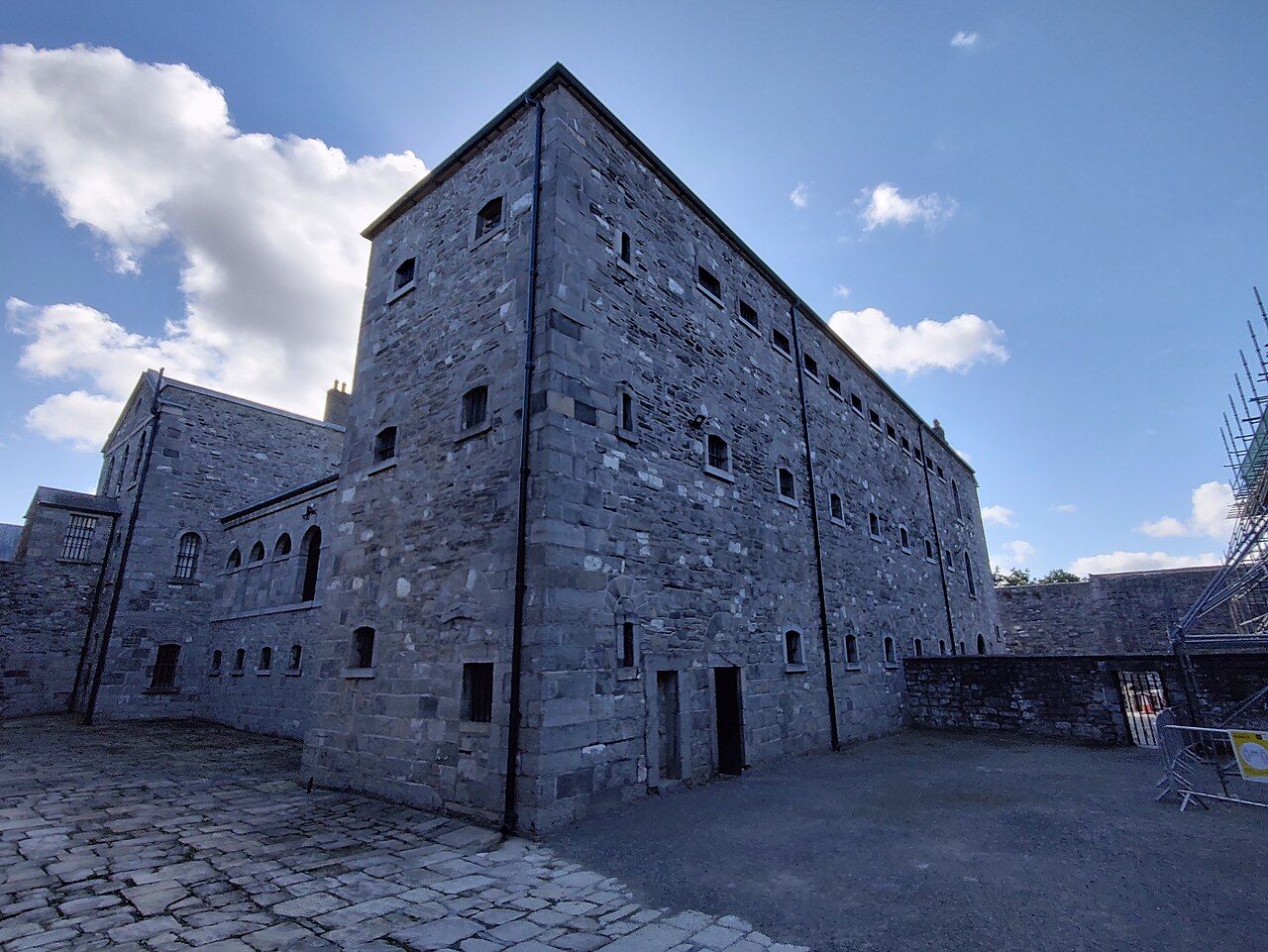

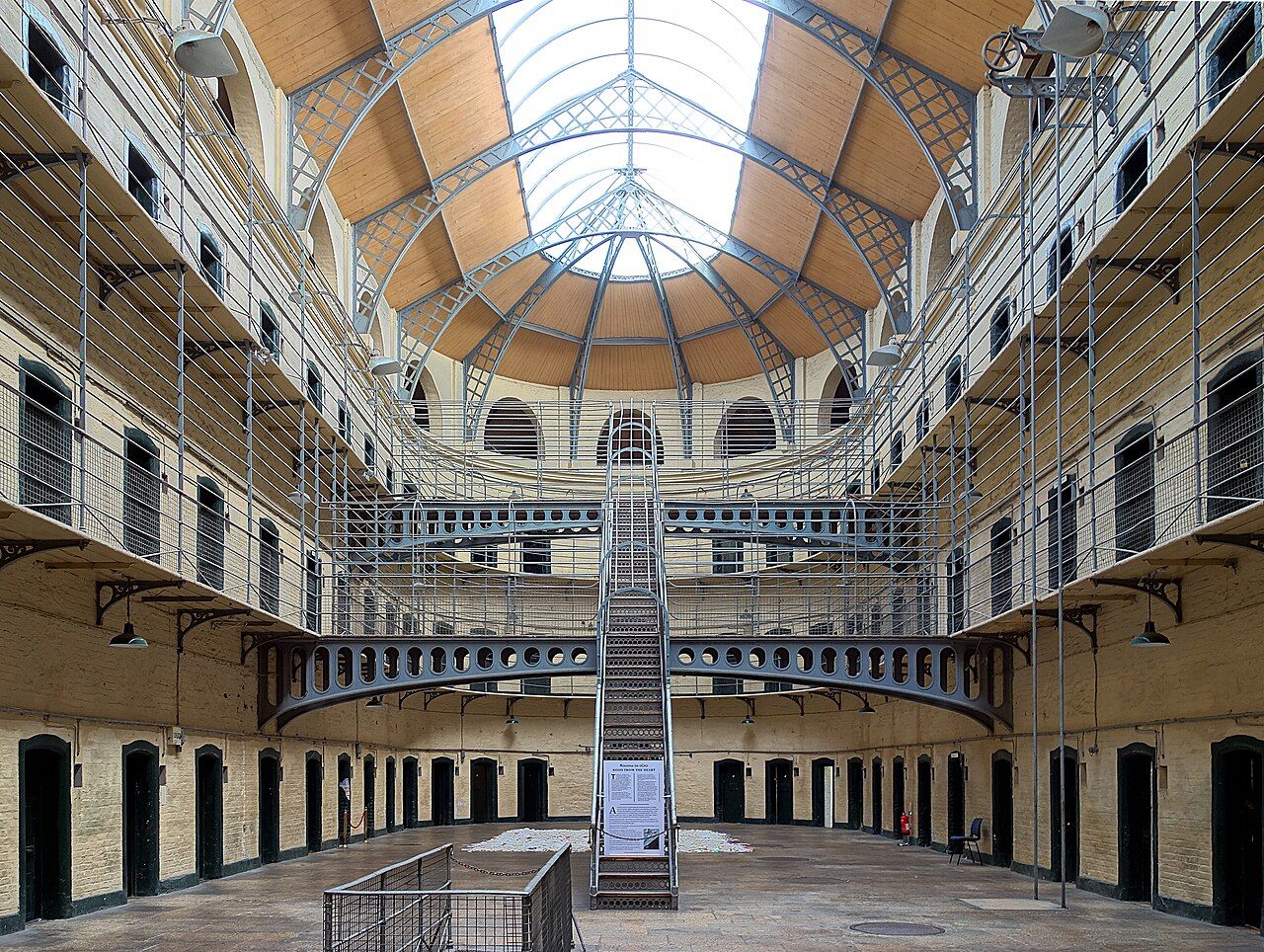
The building was restored from the 1960s by volunteers, and the guided tour now takes about an hour, through the old west wing, the chapel and the yards, ending in the bright Victorian east wing with its iron walkways and skylit roof. A museum follows. Across the road, the Royal Hospital Kilmainham, built in the 1680s as a home for old soldiers, houses the Irish Museum of Modern Art, and its formal gardens are open to walk.
From the gaol to the river
From Kilmainham, a bus runs back to the centre, or you can walk fifteen minutes to the Luas Red Line at Heuston. If you have time, ride a few stops east to Museum and spend an hour at Collins Barracks, the National Museum's history and decorative arts branch, which is free and has a permanent exhibition on the Rising. Then follow the Liffey quays east toward O'Connell Bridge.
The GPO and O'Connell Street
On Easter Monday, 24 April 1916, the Irish Volunteers and the Irish Citizen Army seized the General Post Office, and Pearse read the Proclamation of the Irish Republic outside its columns. For six days the building was the rebels' headquarters. British artillery shelled the street, fire gutted the post office, and the garrison escaped into the lanes around Moore Street before surrendering on the Saturday. Look at the granite columns of the portico: they still carry the pits and chips of bullets. The building was rebuilt and reopened in 1929, and it is still a working post office, with a paid exhibition on the Rising inside and a bronze of the mythical hero Cú Chulainn in the main hall as the national memorial.
A detourBelfast in two days: shipyards, City Hall and the walls betweenWalk north up O'Connell Street to Parnell Square. The Garden of Remembrance, opened for the fiftieth anniversary of the Rising in 1966, is a sunken garden with a cross-shaped pool and a sculpture of the Children of Lir rising as swans. When Queen Elizabeth laid a wreath here in 2011, the first visit by a British monarch since independence, it was read on both islands as a turning point.
Glasnevin Cemetery
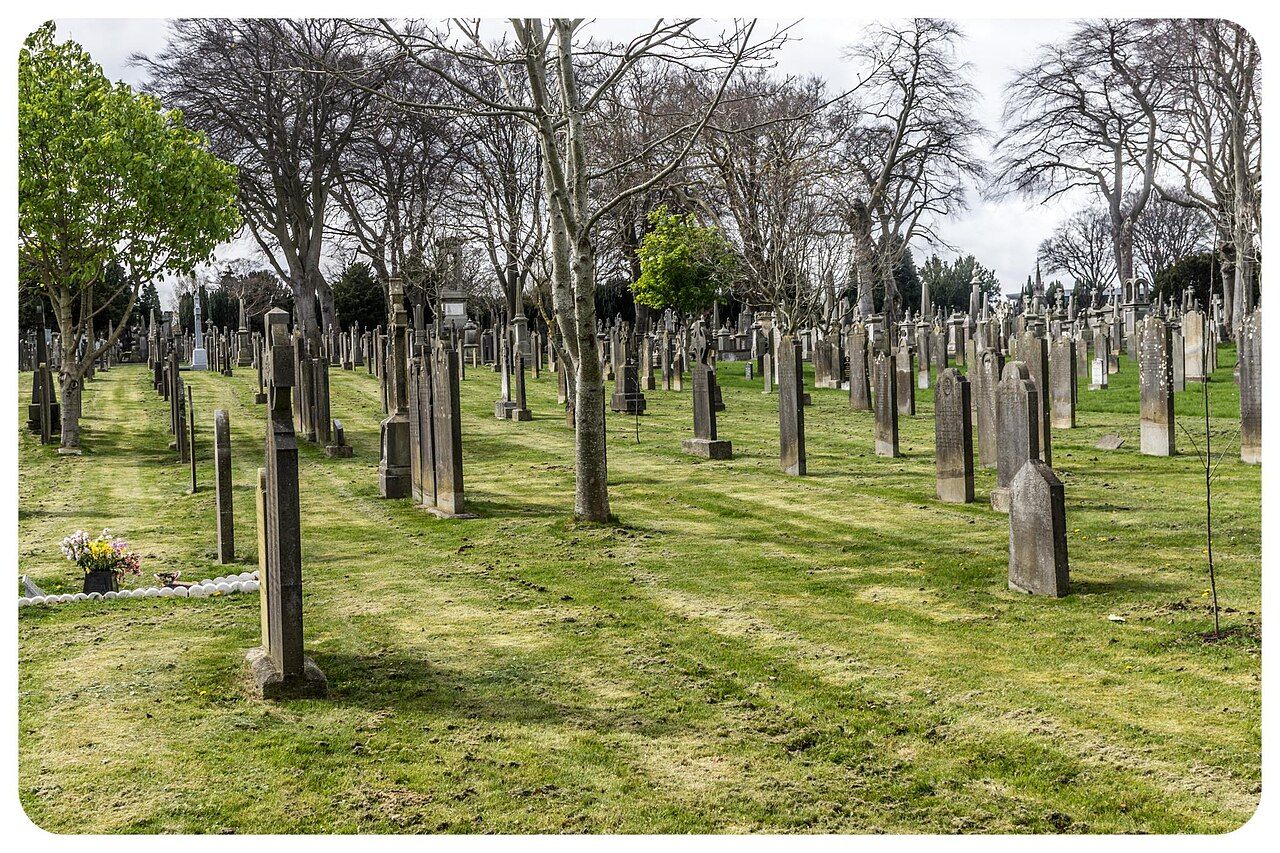
Glasnevin is about half an hour's walk or a short bus ride north. It opened in 1832, founded by Daniel O'Connell's campaign as a burial ground open to people of all faiths at a time when Catholics faced restrictions on burying their dead. More than a million and a half people lie here. The tall round tower over O'Connell's own crypt has been restored, and some guided tours climb it. Near it are the graves of Michael Collins, Countess Markievicz and Éamon de Valera, and Parnell lies under a plain granite boulder marked only with his name.
The walls still carry watchtowers built to keep out body snatchers in the days when medical schools paid for corpses. Inside the gates, a wall unveiled for the centenary lists everyone who died in the Rising, rebels, soldiers, police and civilians alike, in a single roll without dividing them by side. It drew debate when it opened, and it says a good deal about how the country now prefers to remember. A museum by the entrance and guided tours tell the cemetery's history; the National Botanic Gardens, free and full of Victorian glasshouses, are right next door.

How the city tells the story
A century on, Dublin's telling of these years is more layered than it once was. The Decade of Centenaries from 2012 to 2023 brought new exhibitions on the labour struggles of 1913, on the tens of thousands of Irishmen who fought in the British Army in the First World War, and on the bitterness of the Civil War, which divided families for generations. The Irish National War Memorial Gardens at Islandbridge, not far from Kilmainham, honour those First World War dead. In the north, Belfast and Derry and its walls tell a later and more contested chapter, and are worth reading with this one in mind.
- Book Kilmainham for a morning slot and get there by bus or taxi.
- Have lunch in the centre after Collins Barracks or around the quays.
- See the GPO and Parnell Square in the early afternoon.
- Reach Glasnevin by mid-afternoon; its museum and tours finish earlier than the cemetery gates close.
Opening hours, tour times and ticket prices change through the year. If you have only one day in the city, pair this walk with the Trinity half of Dublin in the first two days and leave Glasnevin for another trip.